
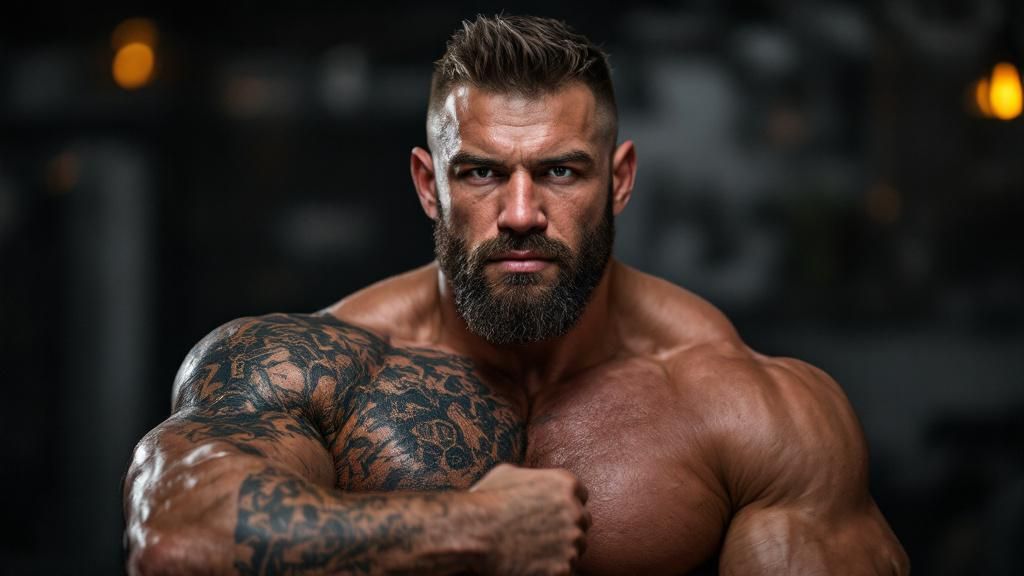
In an rare conversation, a iconic heavyweight titleholder has disclosed the precise nutritional blueprint that drove him toward an unmatched title-winning streak. Well above traditional training methods, his carefully designed eating strategy became the cornerstone of his control within the boxing ring. This article examines the science-backed nutrition strategies, tailored meal preparation, and supplementation protocols that revolutionised his athletic capability and psychological strength. Discover how strategic fuelling set him apart from competitors and redefined elite sporting performance.
The Cornerstone of Champion-Level Nutritional Science
The cornerstone of any champion’s success lies in understanding that nutrition goes well beyond simply consuming adequate calories. The former heavyweight champion recognised early in his career that elite performance necessitates a science-based approach to dietary planning. Rather than adhering to generic dietary recommendations, he worked alongside leading sports nutritionists to create a tailored programme tailored to his individual metabolic needs, training intensity, and recovery needs. This customised approach became the crucial distinction between performing at elite standard and consistently achieving dominant championship performance.
Macronutrient equilibrium emerged as a critical cornerstone in this nutritional plan, with precise ratios of protein, carbohydrates, and fats formulated to enable rigorous workout programmes and promote peak recuperation. The champion recorded detailed logs of his food consumption, modifying ratios based on training cycles and event timetables. Protein consumption was specifically prioritised, facilitating muscular restoration and response following demanding heavyweight training. This evidence-based strategy transformed nutrition from trial and error into a trackable, regulated element that directly influenced his training outcomes and championship results throughout his title period.
Consistency proved equally vital as the precise dietary makeup itself. The champion treated his eating schedule and nutritional balance with the identical commitment applied to boxing technique development. Rather than irregular dietary attempts, he upheld unwavering dietary discipline across all training periods. This ongoing dedication to dietary quality created a compounding benefit, developing superior muscular endurance, dynamic strength, and psychological resilience. Such dedication formed a foundation upon which all later training modifications and competitive victories were built, demonstrating that elite-level dietary practice demands both understanding and unwavering commitment.
Macronutrient Accuracy and Performance Enhancement
The champion’s nutritional strategy focused on precise macronutrient ratios, adapted to his training intensity and metabolic requirements. Rather than adhering to generic dietary guidelines, he collaborated with expert sports dietitians to create specific protein, carbohydrate, and fat percentages. This personalised approach delivered optimal energy availability during rigorous training sessions whilst retaining lean muscle mass. By monitoring macronutrient intake with careful measurement, he secured superior recovery rates and preserved peak performance throughout intense championship competitions.
Carbohydrate timing proved especially important to his competitive edge, with strategic consumption around workout periods optimising glycogen replenishment and minimising fatigue accumulation. Protein intake was meticulously calculated to support muscular recovery and adaptation, whilst healthy fats enabled hormone production and mental performance. This nutritional balance wasn’t merely about energy consumption; it reflected a nuanced grasp of how timing of nutrition and nutrient makeup directly impacted competitive output, endurance capacity, and the bodily adjustments necessary for championship-level competition.
Fluid Intake, Recovery and Event Day Guidelines
Hydration formed the basis of the champion’s competitive strategy, with fluid intake precisely computed according to bodyweight and perspiration rate assessment. Throughout training periods, he consumed electrolyte drinks at fifteen-minute intervals to sustain peak performance. Competition day protocols were similarly demanding, featuring exact pre-competition hydration plans developed via extensive testing. Post-competition recovery involved rapid rehydration alongside carbohydrates and proteins within a critical thirty-minute window. This detailed system guaranteed sustained energy levels across demanding championship fights.
- Sports beverages ingested at fifteen-minute intervals throughout training
- Hydration before competition scheduled 6 hours before entering the ring
- Recovery nutrition after fights consumed within thirty minutes of victory
- Salt consumption elevated throughout weight-cutting periods for optimal retention
- Sleep improvement strategies included magnesium supplementation each night
The champion’s recuperation methodology went further than mere hydration, encompassing comprehensive sleep architecture and focused nutritional support. Cold water immersion therapy integrated with targeted massage protocols sped up muscle recovery between bouts. His team implemented planned nutritional schedules aligned with training intensity, maintaining adequate micronutrient replenishment. This comprehensive recovery system allowed him to preserve elite athletic performance throughout sustained competitive periods, lowering injury potential whilst enhancing performance stability across multiple title defences.
